
Questions answered.
Everything you need to know about Assessment as Learning. Can’t find your answer? Use the contact form at the bottom of this page.
Each subject is a one-off payment of $99. There is no subscription and no recurring costs. You have access until the end of your exam year.
We have invested significant time building the workflows behind this platform — but once built, we can provide it at scale. Scale is what makes the price possible. Tutors are 1:1, teachers are 1:20. We are 1:unlimited.
Our team includes people from school education, so we know how much families already spend. We want to minimise that burden and meet a genuine unmet need — not build a high-margin business.
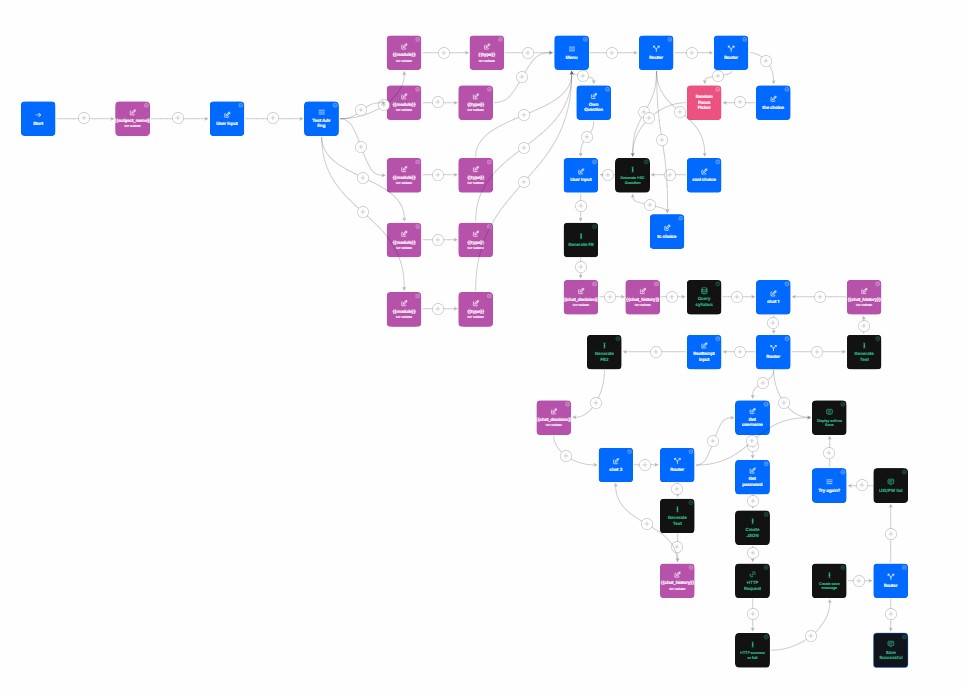
When a student moves through the feedback process, a complex AI workflow runs in the background. We use a specific AI language model selected from more than 90 models — pitched at the level for high-end professional and advanced deep research workflows. Not a free consumer tool.
Our costs include hosting, paid AI model usage, third-party APIs and software, customer support, product engineering, and governance. You get what you pay for.
In education, there are three forms of assessment:
Assessment of Learning is the old-fashioned test at the end — what do they know? End of year exams are the best example.
Assessment for Learning (also called formative assessment) occurs every time a teacher interacts around skills and knowledge, adjusting their approach based on what they observe.
Assessment as Learning is where the assessment activity itself becomes the learning. By creating specific, nuanced feedback based on your performance in a practice exam question, we use the assessment as a vehicle to prepare you for the real thing.
Yes. We originally ruled this out — our concern was that advanced AI models could enable students to generate answers rather than develop skills. After further discussion with educators, we’ve shifted our view.
The value is in the back-and-forth in the feedback chat. Our model provides examiner-style feedback with specific reasons and examples, which builds genuine skill. Shallow use will produce marks without real development — but that’s true of any resource. Use the progress dashboard to track real improvement over time.
It depends on three things:
Practice frequency. One question a week may not be significantly more than a student does at school — though the feedback here is immediate and detailed. More frequent practice accelerates improvement.
Motivation. A parent investigating this is likely very motivated. If the student isn’t, improvement is slower even with regular practice. We try to build motivation by showing students how to improve and letting them see it happening in real time.
Ability to improve. In some cases the blocker is not will or practice, but something else entirely. If there are broader learning challenges, those need to be engaged with directly — no resource can substitute for that.
When it comes to knowing the personality and preferred learning style of the student, yes — a great tutor is more effective. One-on-one support is genuinely valuable.
Where tutoring falls short is in time. Most tutors cannot dedicate the additional hours per week to mark exam practice work in detail. When they do, it may take a week to come back — by which time the student has forgotten the thinking process behind their response. That thinking is the soil to till. Immediate feedback, while the work is fresh, is where we add the most value.
The classroom teacher is the best subject matter expert the student has. They are likely to have far more experience than a tutor, and many are also HSC markers who know exactly what examiners look for.
However, they teach up to 20 students at a time and are not resourced to turn around rich, personalised written feedback within one or two days. That’s the gap we aim to fill. This resource is no substitute for great teaching — but great teaching can be profoundly supported by a tool that delivers detailed feedback within a minute of submission.
We have deliberately limited what we collect to protect student safety. We ask for first name, surname, and school email address only. We do not ask for phone numbers, home addresses, or personal email addresses.
Some payment methods we don’t control — such as Google Pay — may request a billing address. All payments are processed through third-party tools of the same standard used by councils, Amazon, and Netflix.
Student data is retained during the active subscription year and deleted as the calendar year changes. If you would like your data removed sooner, contact us via the form below and we will action it promptly.
Extensive randomisation is in place across directive verbs, topics and focus areas. Exact repeats should be rare — but if you see one, simply refresh the page to generate a new question.
Still have a question?
If your question isn’t answered above, get in touch and we’ll respond as quickly as we can.
Contact us →